One of the most common concerns people have about direct cremation is not knowing what happens. Because nobody attends, it can feel like handing your loved one over and hoping for the best. That uncertainty is completely understandable. However, as part of the Memoria Group, with our own network of crematoria, we really are the experts of every aspect of the process from first call to return of the ashes.
This guide walks through every stage of the process, from collection of the deceased through to the return of their ashes. Your loved one is cared for with the same dignity and respect they would receive in any other type of funeral.
It’s worth making sure that when you choose a funeral provider they can tell you about each step of the process, how much they handle themselves and if they outsource to a 3rd party. It’s important to get reassurance that each step will be handled with the same 5-star Memoria Standard of care that we provide.
During a direct cremation, the deceased is collected, cared for in the provider's facilities, and cremated individually at a crematorium. There is no service and no mourners present. Ashes are returned to the family afterwards.
Collection of the deceased
If the person who died had a prepaid funeral plan in place, one phone call from the family or the Nominated Representative activates it.
If there is no plan, the provider will take your details over the phone and confirm the cost before anything proceeds.
Once you have chosen your direct cremation provider, they will arrange to collect the deceased from wherever they are resting. This could be a hospital, a care home, a hospice, or a private residence. Most providers offer collection around the clock, including evenings and weekends. If the person is in a hospital or mortuary, the provider will coordinate directly with the hospital so you do not have to manage the release process yourself.
The funeral directors arrive in an unmarked, private ambulance and carry out the transfer quietly and respectfully. The deceased is collected on a stretcher and respectfully covered with a shroud.

Care before the cremation
The deceased is then taken to private holding facilities, usually a professional mortuary or refrigeration facility operated by a funeral director or crematorium. At Memoria we have dedicated care-centres and care teams who look after loved ones right up to the time of cremation, we know how important this time is in caring for the deceased until cremation.
During this time at the mortuary or care-centre the deceased is prepared for cremation and placed in a coffin. If they have a pacemaker or other battery-operated implant, this is removed before cremation for safety reasons (pacemakers can explode at high temperatures). Other metal implants such as hip or knee replacements are left in place and dealt with after the cremation.
Embalming is not carried out for a direct cremation. It is not needed because there is no viewing or open coffin.
The deceased will usually be cremated in the clothing or hospital gown they were wearing at the time of collection. If you would like to provide specific clothing, most providers will accommodate this. Some religious traditions require the family or a faith leader to wash and dress the body. If this is important to you, let the provider know and they will make arrangements.
The funeral provider will also provide help and support with the legal paperwork.
What coffin is used?
Direct cremation providers supply a simple coffin as part of the service.
Some providers offer a standard oak effect, others use a plain eco-coffin. The coffin is cremated along with the person. Oversized coffins are available from most providers if needed, this usually incurs an extra cost, though not all providers pass on this cost to the customer, so it is worth checking. For the majority of people an oversized coffin is not necessary, however for people over 6ft 5in in height or 23 stone in weight a larger coffin is required, and specialist equipment may be necessary to transport the coffin.
If you wish to place a personal item in the coffin, such as a letter, a photograph, or a small keepsake, most providers will allow this. However, jewellery and valuables should be removed beforehand. Metal jewellery will not burn at cremation temperatures and will be mixed in with the ashes. Once the cremation has started, nothing can be retrieved.
What happens during the cremation
The cremation takes place at a crematorium, at a time scheduled by the provider. There is no chapel booking, no time slot reserved for mourners, and no ceremony. This is one of the reasons direct cremation costs less than an attended service.
On the day, where the deceased is being cared for by Memoria, the coffin is transferred from the Memoria Care Centre to the catafalque in the crematorium. Once inside the crematorium chapel, our chapel attendant will bow a final goodbye, a piece of chosen music can be played and the curtains will close. These details are not standard with all providers, but part of our Memoria Care Promise, so it’s important to clarify exactly how the deceased is cared for with your chosen provider. After committal, the coffin is placed into the cremator by trained crematorium staff. Every cremation is carried out individually. It is a legal requirement that each person is cremated on their own.
The cremation itself takes between one and two hours depending on the build of the person. The cremator operates at a temperature of around 800 to 1000 degrees Celsius. At this temperature, soft tissue is reduced and what remains are the larger bone fragments.
After the cremation, the remains are allowed to cool. Any metal from coffin fittings, surgical implants (hip replacements, knee joints, plates, screws), or other devices is separated using a magnet. The remaining bone fragments are then processed in a cremulator into a fine, consistent ash.
How do you know you receive the right ashes?
This is one of the most common concerns families raise, and the answer is that strict identification procedures are in place throughout the entire process. When the person first comes into the provider’s care, their details are logged in a tracker. This stays with them from collection through to the return of ashes.
Before the coffin enters the cremator, the identification tracker is checked again, and once again when they are added to the cremulator. Once the cremation has finished, the cremation certificate is created and this accompanies the ashes until they are safely in the care of the deceased’s loved ones.
Combined with the legal requirement for individual cremation, these steps mean there is no possibility of ashes being mixed or returned to the wrong family.
What happens to the ashes
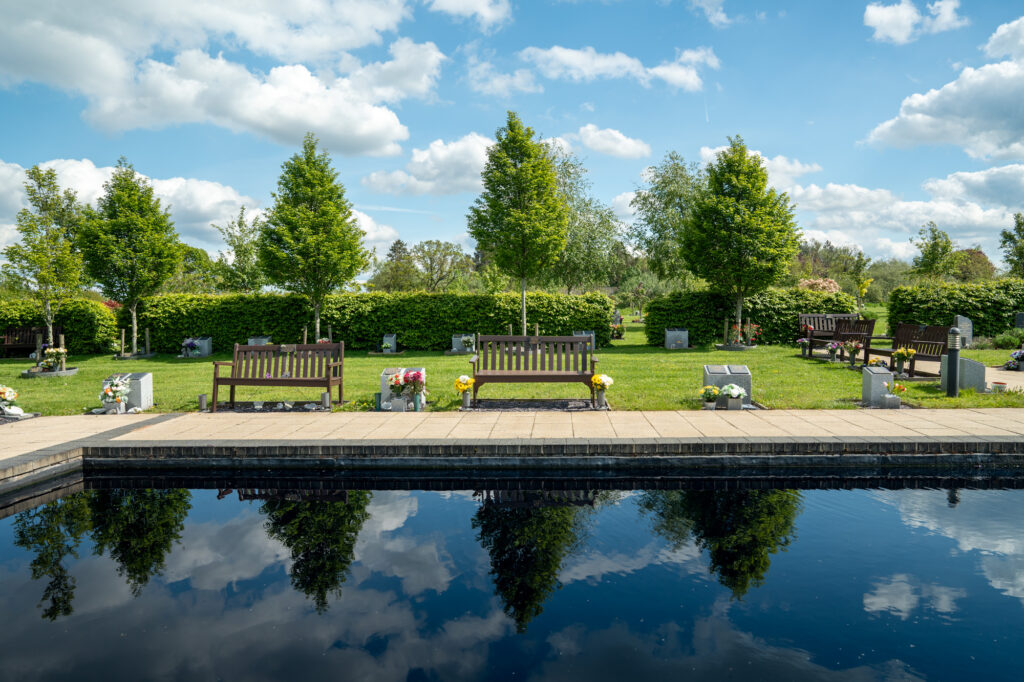
Once ready, the ashes are placed into a container and labelled with the person’s details. Depending on your provider, ashes may be returned by hand delivery to your home, by secure tracked post, or available for collection from the crematorium.
What you do with the ashes is entirely your decision, and there is no time limit.
Common options include keeping them at home in a decorative urn, scattering them at a meaningful location, burying them in a family grave, or having them made into memorial jewellery. For a closer look at these and other memorial options, read our guide on what to do with ashes after cremation.
What oversight is there on the cremation process?
Every cremation in the UK, whether attended or not, is subject to the same legal framework:
- Individual cremation. It is illegal to cremate more than one person at a time (with limited exceptions for a mother and baby). Each cremation is individual and traceable.
- The Code of Cremation Practice. This sets out how crematoriums must operate, including the handling of remains, identification procedures, and the return of ashes.
- Local authority inspections. Crematoriums are inspected regularly to ensure compliance with environmental and operational standards.
- Medical examiner review. Since September 2024, all non-coronial deaths in England and Wales are reviewed by an independent medical examiner before a cremation can proceed.
The standards applied to a direct cremation are identical to those applied to an attended cremation. An unattended cremation does not change how the person is treated.
Understanding the cremation process can provide peace of mind
Many families choose direct cremation because it removes complexity at a difficult time. Knowing how the process works can help you make an informed decision and understand what happens at every stage, from collection through to the return of ashes.
Why families choose Memoria Direct Cremation
When arranging a cremation, families often want two things: confidence that their loved one is being looked after properly and clear guidance on what happens next.
Every family is supported by a dedicated Memoria Funeral Consultant who provides practical help, answers questions and keeps you informed throughout the process, one person by your side throughout. The majority of direct cremations* are carried out in our own crematoria, so as well as committed care from your own dedicated Funeral Consultant, you have the added reassurance that your loved one’s final farewell will be in beautiful surroundings.
Every cremation comes with the Memoria Care Promise. A promise that your loved one will receive market-leading care every step of the way.
*84% of our direct cremations take place at a Memoria Crematoria, and where this is not geographically convenient we work with a handful of carefully vetted crematoria who are committed to upholding the Memoria Standard of compassionate care.
Speak to the Memoria Direct Cremation team about direct cremation - call free on 0800 007 3921.
Frequently asked questions
Is my loved one treated with respect during a direct cremation?
Yes. The person receives the same standard of care and dignity as in any other type of funeral. Every cremation follows the Code of Cremation Practice and is subject to regulatory oversight. At Memoria Direct Cremation, we have our own Memoria Standard which holds all our business to the highest standards possible.
Is each cremation done individually?
Can I see my loved one before the cremation?
How long does a direct cremation take from start to finish?
What happens to the coffin?
Can family members watch the cremation?
Do bodies move during cremation?
Is direct cremation more environmentally friendly?
Direct cremation has a smaller environmental footprint than a traditional attended funeral. There is no embalming, no hearse journey, no printed orders of service, and no land used for a burial plot.
The cremation itself uses the same process regardless, but everything around it is simpler. One thing to be aware of though is with environmentally friendly coffins, the wicker or reeds burn away much quicker than a wood coffin, where the wood takes longer to burn and actually helps create the heat needed to accelerate the cremation process.
So while a reed or wicker coffin may seem more environmentally friendly, the cremation itself actually takes more energy.
